Visible mines and objects
Help identify visible mines, improvised explosive devices (IEDs) or signs of a threat using data suited to the mission.
MindGuard works with the D.A.P., ARTEKA’s embedded AI tablet. Together, they analyse sensor data in real time to help professionals identify mines and explosive threats from ground, aerial and maritime drone video feeds, offline.
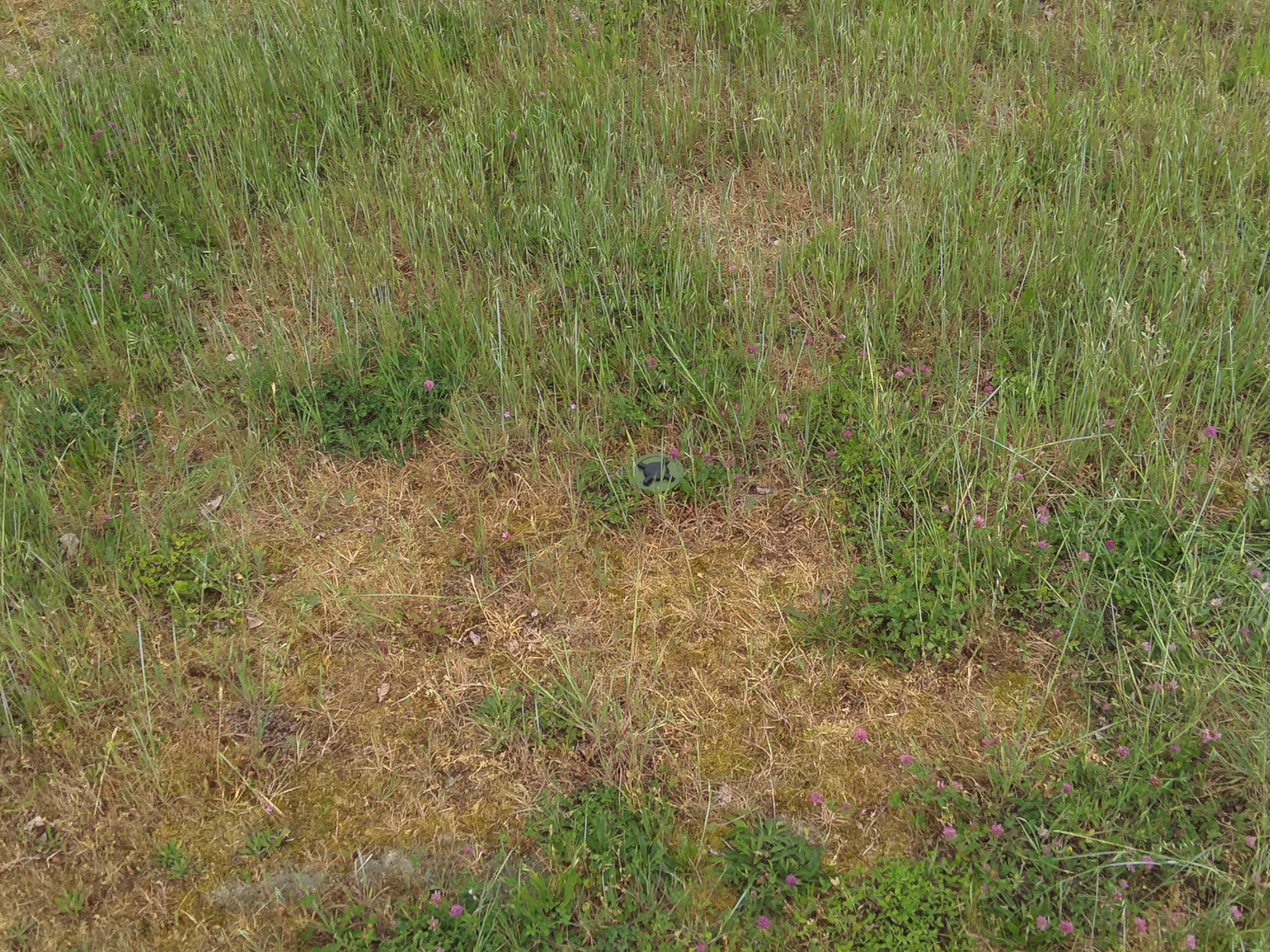
During mine-clearance and reconnaissance missions, MindGuard analyses information from compatible sensors and helps flag items that merit checking in real time.
Help identify visible mines, improvised explosive devices (IEDs) or signs of a threat using data suited to the mission.
From the images of a standard camera, AI can flag visible surface clues that may indicate a buried mine or IED. Professionals must verify these clues.
Use compatible sensor data to help teams identify items requiring verification.
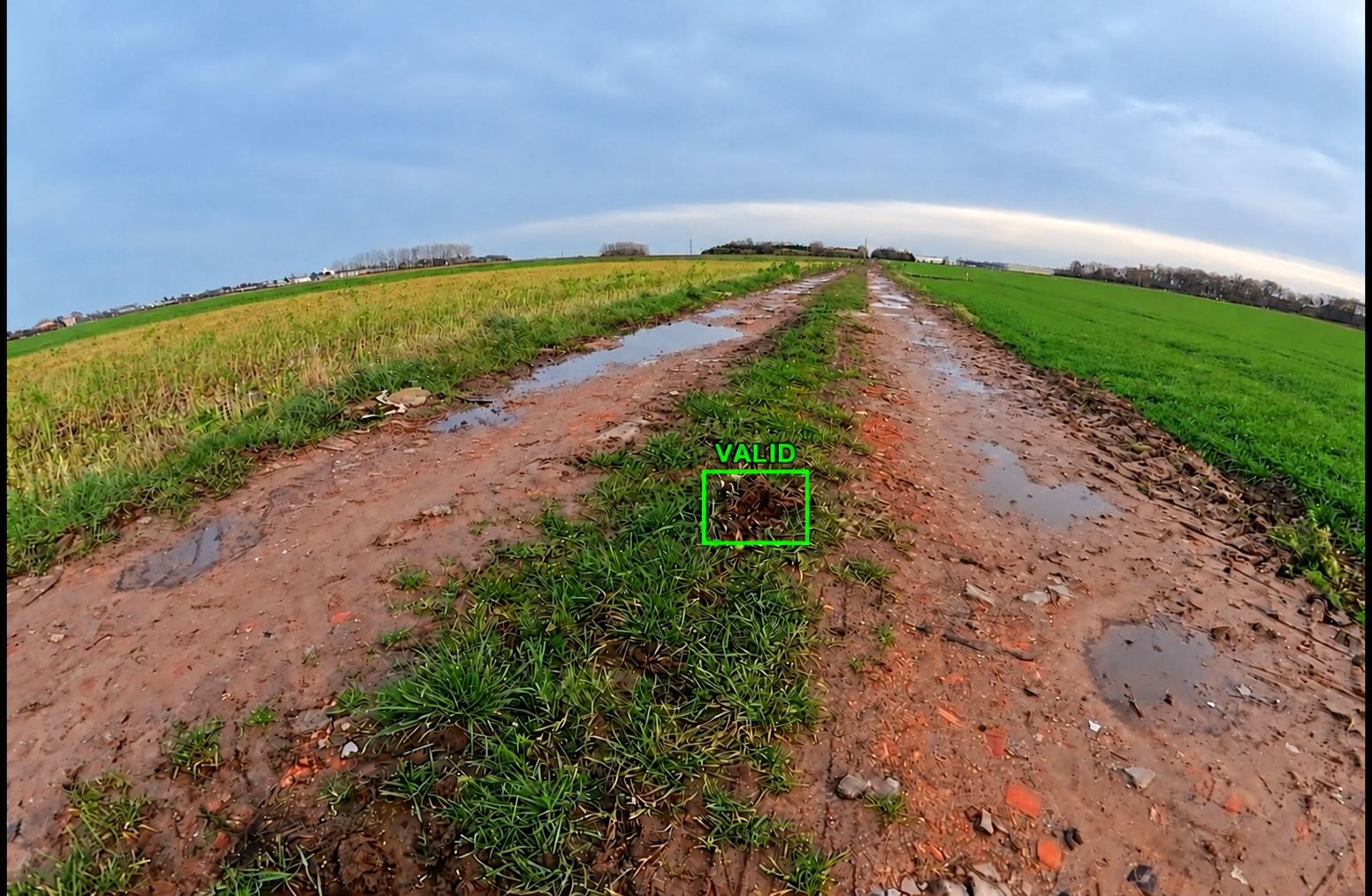
ARTEKA’s World Model Lite analyses images from a camera mounted on a ground vehicle to flag visible clues that may indicate a buried mine or IED. It detects surface anomalies: the camera cannot see underground. Internal trials assessed its analytical capabilities on a compact computer such as a Raspberry Pi 5. The “VALID” status is a model output; it does not confirm the presence of a device. Professionals verify the clues and retain control of decisions.
Detection capabilities depend on sensors, models and field conditions. A hidden threat can only be investigated when sensors supply relevant data. The absence of an alert does not mean an area is safe: professionals interpret results and follow their safety procedures.
Two illustrations show land and aquatic observation. The mine visual is an illustration; the sonar visual is simulated.
illustration and enlarged view of a surface mine-like object.
Example sonar analysis for locating moored mines using compatible sensors and models.
The PMN visual is an illustration; the sonar example uses synthetic data. Capabilities depend on the data, sensors, models and operating conditions. Results remain subject to professional verification.
MindGuard and the D.A.P. support real-time analysis of data from aquatic drones and sensors suited to the mission.
Search for signs of mines at the water’s surface using information from compatible sensors.
Help identify mines on the seabed when the sensors and models provide suitable data.
Help identify moored mines using compatible sensor data suited to mission conditions.
Detection of unseen threats depends on the sensors and their operating conditions. Results remain subject to professional verification and safety procedures.
MindGuard is designed to support specialists in mine clearance, reconnaissance and inspection of high-risk areas.
AI helps observe and assess the information available. Field teams remain responsible for checks and operational decisions.
The D.A.P. can receive feeds from aerial, ground or aquatic drones, depending on available interfaces. Compatibility of drones, feeds and sensors is assessed for each mission.
ARTEKA develops specialised, resource-efficient models for embedded devices. With the D.A.P., MindGuard analyses data locally in real time, without an Internet connection, cloud or data centre for field processing.
ARTEKA Shield helps protect models through encryption during deployment, depending on the configuration. Connecting the D.A.P. to mission equipment depends on interfaces and compatible feeds.
Explore the D.A.P. ↗Sensors, drones, environment and objectives: together, let’s explore the solution suited to your mission.